Životnost a pogumovaný pás obvykle se pohybuje od 1 do 5 let v závislosti na provozních podmínkách, intenzitě zatížení, postupech údržby a kvalitě samotného řemene. Za ideálních podmínek s mírným zatížením a pravidelnou údržbou může vysoce kvalitní pogumovaný pás přesáhnout 5 let nepřetržitého používání. V drsných prostředích – jako jsou vysokorychlostní stroje, abrazivní materiály nebo vystavení chemikáliím – může být životnost zkrácena na 6–18 měsíců. Pochopení faktorů, které ovlivňují životnost, je klíčem k maximalizaci vaší investice a minimalizaci neplánovaných prostojů.
Co je pogumovaný pás?
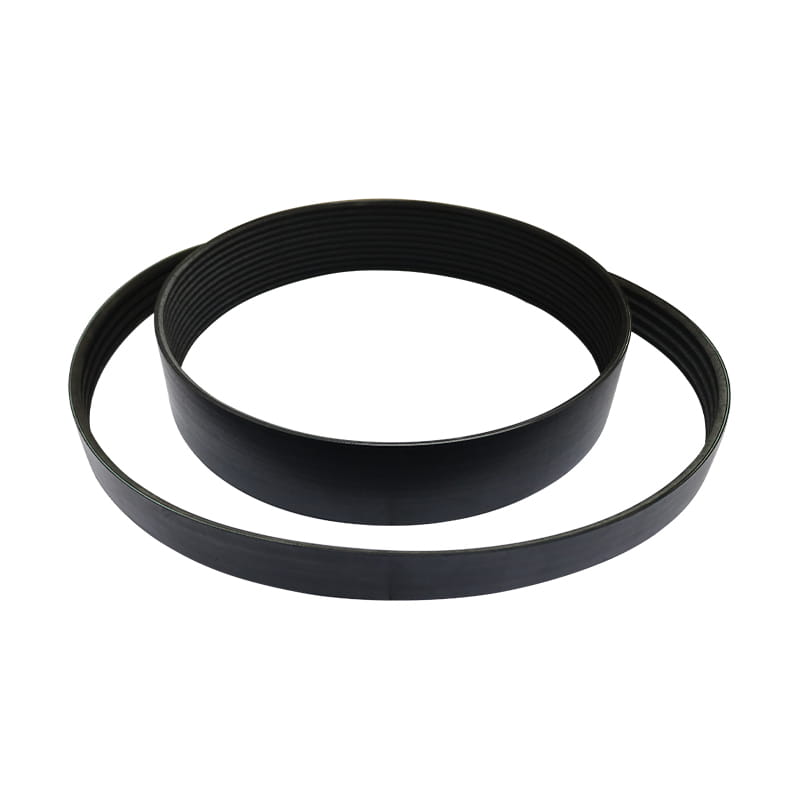
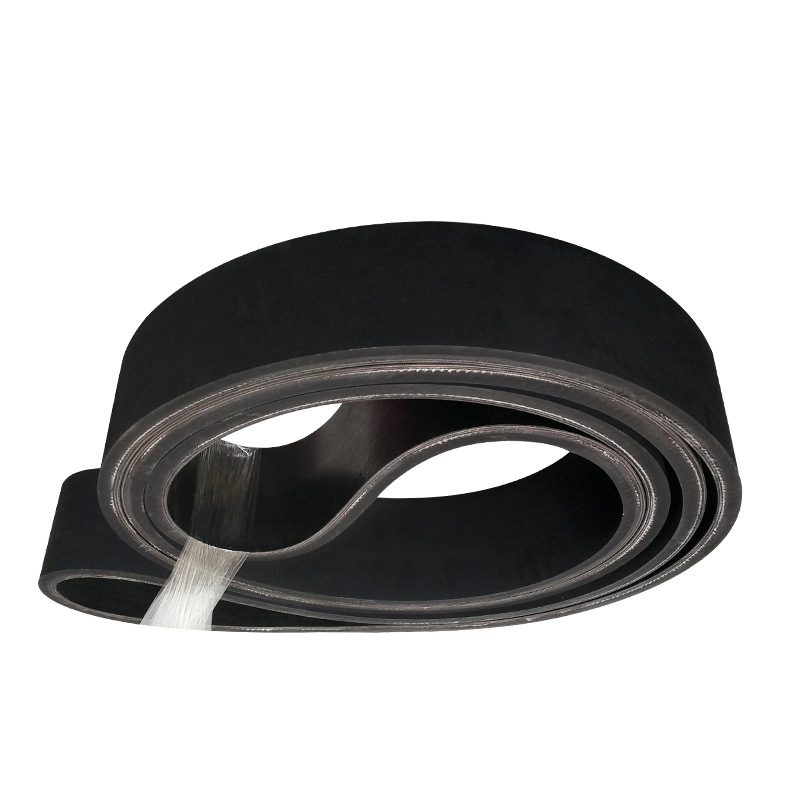
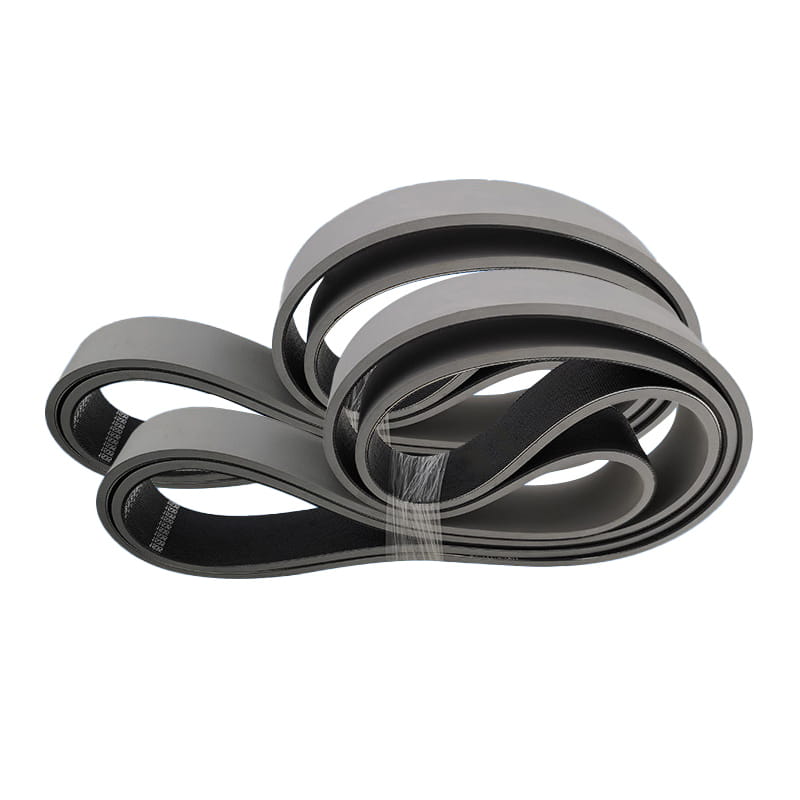
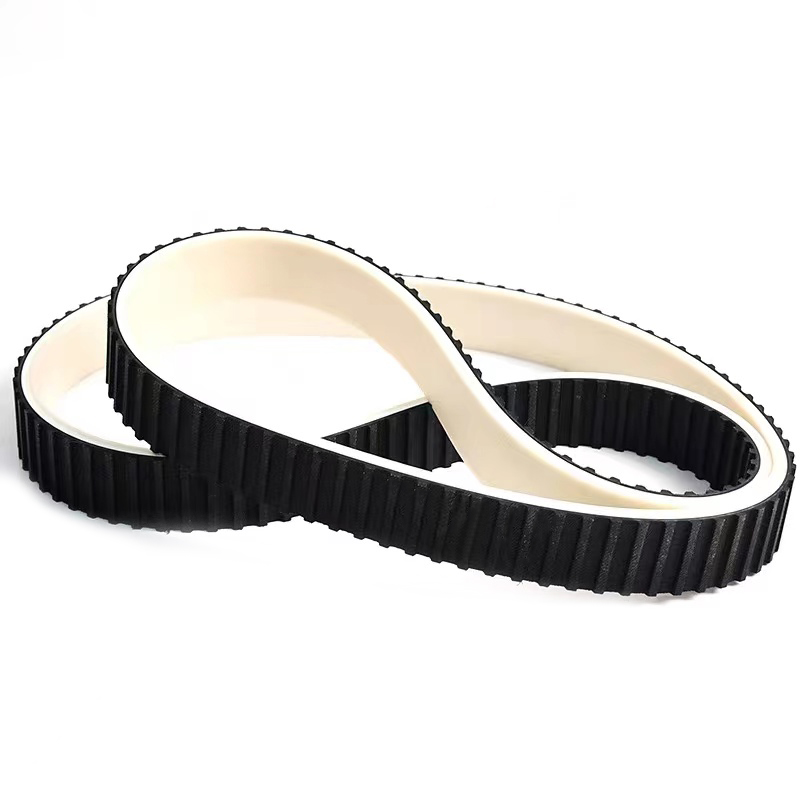
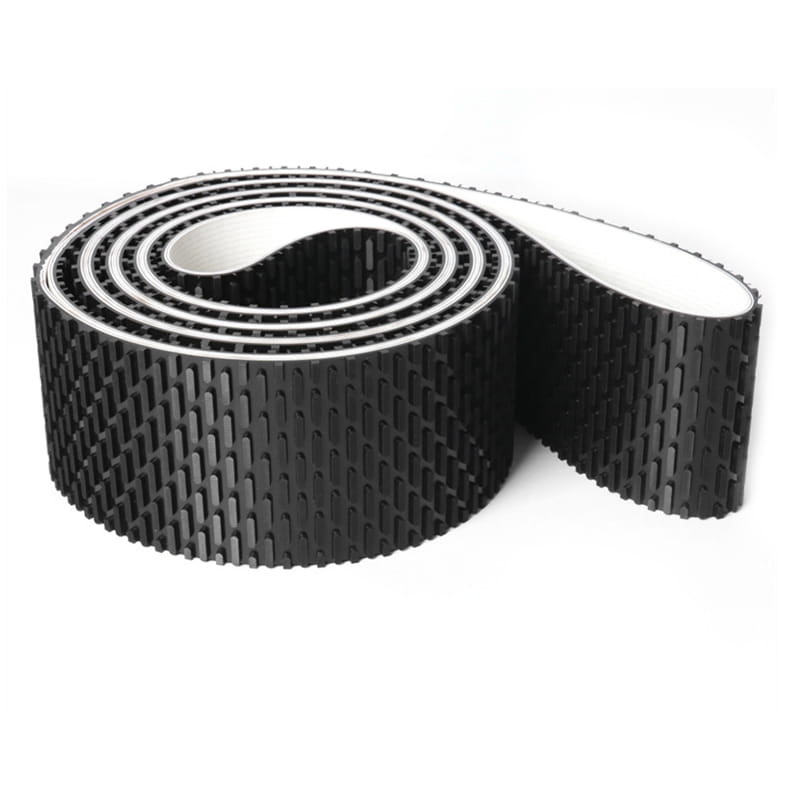
Pogumovaný pás je přenosový nebo dopravní pás, který se vyznačuje pryžovou vrstvou nanesenou na základním substrátu – obvykle tkané tkanině, ocelovém kordu nebo polyuretanovém jádru. Pryžový povlak plní několik funkcí: zvyšuje povrchové tření pro uchopení, chrání vnitřní strukturu před otěrem a vlhkostí a může být speciálně navržen pro použití v potravinářském, oleji nebo tepelně odolném použití.
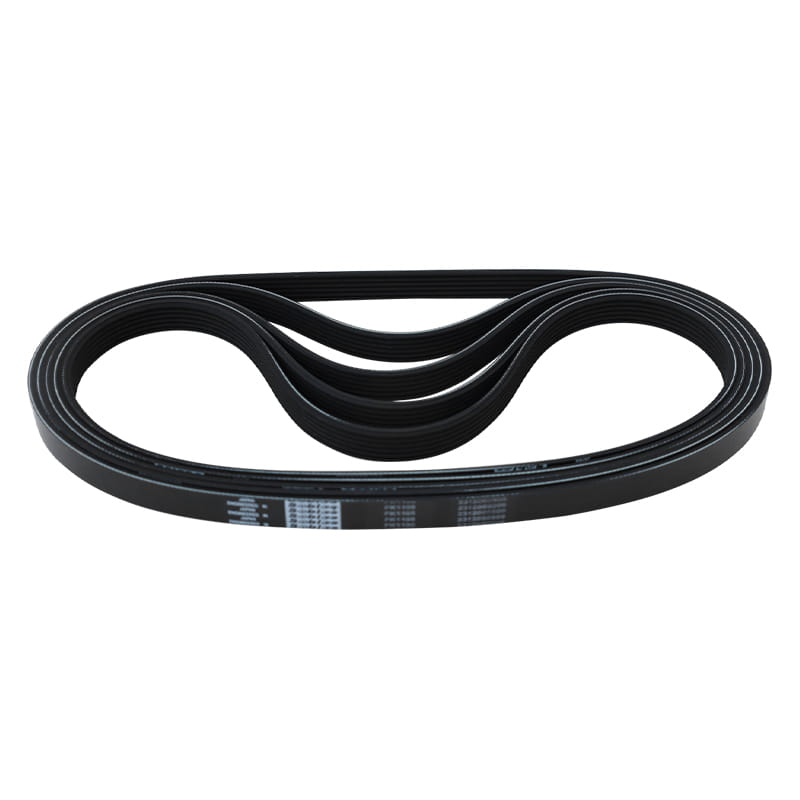
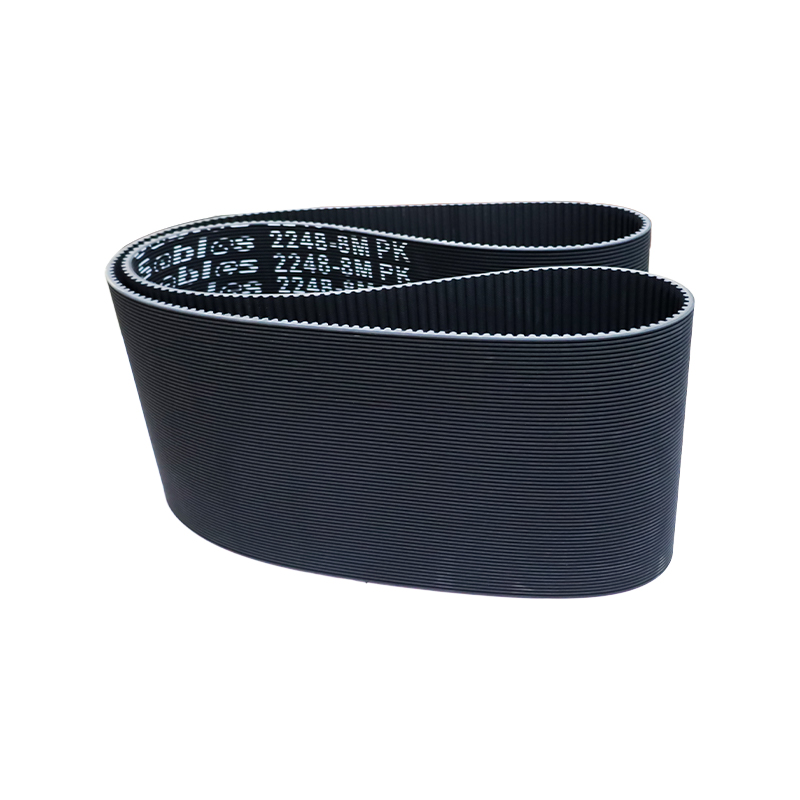
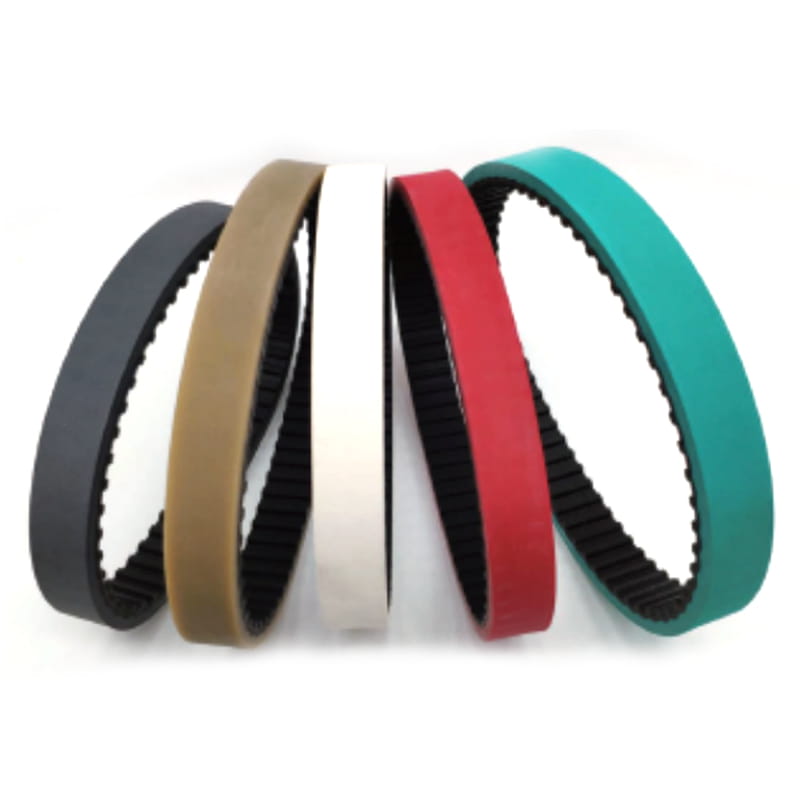
Mezi běžné typy pogumovaných pásů patří gumové synchronní pásy , ploché pásy, potahované podávací pásy, pásy na separaci ryb, dopravní pásy a speciální zpracovatelské pásy pro průmyslová odvětví, jako je tisk, balení, zpracování potravin a zemědělství. Každá aplikace klade na řemen jiné nároky, což přímo ovlivňuje jeho předpokládanou životnost.
Klíčové faktory, které určují životnost
1. Provozní rychlost a zatížení
Vyšší rychlosti pásu a větší zatížení urychlují opotřebení jak pryžového povlaku, tak vnitřních tahových prvků. Například pás běžící rychlostí 30 m/s při plném napětí bude typicky vykazovat měřitelné opotřebení pryžového povrchu 2–3krát rychleji než stejný pás pracující rychlostí 10 m/s při částečném zatížení. Výrobci specifikují maximální rychlost a jmenovité zatížení – udržení se v těchto limitech je jediný nejúčinnější způsob, jak prodloužit životnost řemene.
2. Podmínky prostředí
Extrémní teploty, UV záření, ozón, oleje a chemikálie, to vše v průběhu času degraduje pryžové směsi. Standardní pogumovaný pás funguje nejlépe při teplotách mezi -20 °C a 80 °C . Expozice mimo tento rozsah – například v mrazírenských skladech nebo v blízkosti pecí – může způsobit povrchové praskání, tvrdnutí nebo delaminaci, což výrazně zkracuje životnost.
3. Napnutí a vyrovnání řemenu
Nesprávné napnutí – buď příliš těsné nebo příliš volné – je jednou z nejčastějších příčin předčasného selhání řemene. Přepětí namáhá vnitřní kordy a způsobuje praskání okrajů; nedostatečné napnutí vede ke skluzu, hromadění tepla a nerovnoměrnému opotřebení. Nesouosost vede k tomu, že pás vede na jednu stranu a rychle se opotřebovávají okraje. Naznačují to studie údržby dopravníkového systému až 40 % poruch řemene jsou přímo způsobeny nesprávným napětím nebo nesouosostí při instalaci.
4. Stav kladky a válečku
Opotřebované, zkorodované nebo poddimenzované řemenice vytvářejí na řemenu body koncentrace napětí. Minimální průměr řemenice pro daný typ řemene je uveden, aby se zabránilo nadměrnému namáhání v ohybu. Použití řemenic menších, než je doporučeno, může snížit životnost řemene 30–50 % , protože pryžový povlak podstupuje opakované mikrofrakturování s každou otáčkou.
5. Materiál je přepravován nebo zpracováván
Abrazivní materiály, jako jsou zrna, ořechy, skořápky nebo kamenivo, opotřebovávají pryžový povrch rychleji. V zemědělských aplikacích – jako jsou pásy se skořápkou ořechů nebo pásy na řezání zeleniny – abrazivní povaha produktu znamená, že tvrdost povrchu pryže (hodnocení Shore A) a tloušťka povlaku musí být pečlivě přizpůsobeny aplikaci, aby se dosáhlo přijatelné životnosti.
6. Frekvence údržby a kontrol
Pravidelná kontrola a preventivní údržba může prodloužit životnost pogumovaného pásu 20–40 % ve srovnání se strategiemi run-to-failure. Čištění řemenů za účelem odstranění nečistot a znečištění, pravidelná kontrola napnutí a výměna opotřebených řemenic před poškozením povrchu řemene jsou standardní postupy v provozech s vysokou provozní dobou.
Očekávaná životnost podle typu aplikace
Níže uvedená tabulka shrnuje typické rozsahy životnosti pogumovaných řemenů v běžných průmyslových aplikacích na základě standardních provozních podmínek a běžné údržby.
Tabulka 1: Typická životnost řemene potaženého pryží podle použití za standardních provozních podmínek. | Aplikace | Typická životnost | Primární faktor opotřebení |
| Gumové synchronní / rozvodové řemeny | 2–5 let | Opotřebení zubů, únava z napětí |
| Dopravní pásy (obecný průmysl) | 1–4 roky | Oděr povrchu, rázové zatížení |
| Potahované krmné pásy (zpracování potravin) | 1–3 roky | Časté mytí, vystavení chemikáliím |
| Pásy na oddělování ryb | 6–18 měsíců | Mokré/slané prostředí, vysoká abraze |
| Vysokorychlostní balicí / tiskové pásy | 1–3 roky | Teplo vyvolané rychlostí, únava povrchu |
| Pásy na krájení ořechů / zeleniny | 6–24 měsíců | Vysoká abraze, řezný kontakt |
| Ploché opasky a žebrované opasky | 2–5 let | Povrchový skluz, opotřebení hran |
Běžné známky toho, že pogumovaný řemen vyžaduje výměnu
I při správné údržbě pogumované řemeny časem doslouží. Rozpoznání včasných varovných signálů pomáhá předcházet katastrofickým selháním a neplánovaným zastavením výroby. Sledujte následující ukazatele:
- Popraskání nebo popraskání povrchu — Jemné praskliny na povrchu pryže signalizují degradaci UV zářením, napadení ozónem nebo tepelné stárnutí.
- Roztřepení nebo delaminace okrajů — Oddělení pryžového povlaku od základního substrátu, často způsobené nesprávným vyrovnáním nebo nadměrným teplem.
- Viditelná expozice kabelu — Když je pryžová vrstva prodřena až k podkladovým tahovým kordům, je narušena strukturální integrita a je nutná okamžitá výměna.
- Abnormální chyby uklouznutí nebo sledování — Ztráta tření na povrchu řemenu nebo rovnoměrné vedení na jednu stranu navzdory úpravám napětí.
- Neobvyklý hluk nebo vibrace — Rytmický hluk nebo vibrace během provozu často indikují opotřebení zubů, nerovný povrch nebo poškození vnitřní šňůry.
- Kalení nebo tuhost — Pryž, která ztratila svou pružnost a ztuhla, při dynamickém zatížení praskne a nemůže se správně přizpůsobit geometrii řemenice.
- Prodloužení nad rámec specifikace — Nadměrné natažení řemenu znamená únavu vnitřních tažných prvků; opětovné napnutí zajistí pouze dočasnou opravu.
Jak maximalizovat životnost pogumovaného pásu
Prodloužení životnosti řemenu není jen o nákupu řemenu vyšší třídy – vyžaduje systematický přístup k instalaci, provozu a údržbě. Následující postupy prokazatelně zajišťují nejdelší možné servisní intervaly:
Správná instalace
Dodržujte hodnoty tahu specifikované výrobcem pomocí měřiče tahu, spíše než odhadování hmatem. Před napnutím se ujistěte, že všechny kladky a válečky jsou dokonale rovnoběžné a vyrovnané. Nikdy netlačte řemen na řemenici pomocí páčidla – mohlo by dojít k poškození vnitřních vláken kordu při první instalaci a okamžitému zahájení procesu opotřebení.
Plánované intervaly prohlídek
Stanovte si plán rutinních kontrol – obvykle každých 500–1 000 provozních hodin nebo čtvrtletně, podle toho, co nastane dříve. Během každé kontroly zkontrolujte stav povrchu, změřte prodloužení, ověřte vyrovnání a zkontrolujte opotřebení řemenic. Zdokumentujte zjištění, aby bylo možné identifikovat trendy opotřebení dříve, než se stanou poruchami.
Vhodný výběr pásu pro aplikaci
Výběr správné pryžové směsi pro provozní prostředí je zásadní. Potravinářské aplikace vyžadují přípravky bezpečné pro potraviny a odolné vůči oleji. Prostředí s vysokou teplotou vyžaduje tepelně odolné směsi. Abrazivní aplikace těží z tvrdších a silnějších pryžových povlaků. Použití řemenu pro všeobecné použití ve specializované aplikaci téměř vždy povede k předčasnému selhání.
Správné skladování náhradních pásů
Nepoužité pogumované pásy při skladování se zhorší, pokud nebudou správně skladovány. Pásy skladujte v chladném, tmavém a suchém prostředí mimo zdroje ozónu (jako jsou elektromotory) a přímé sluneční světlo. Doporučená skladovací teplota je mezi 10 °C a 25 °C . Řemeny skladované za ideálních podmínek si před instalací zachovají své plné výkonové charakteristiky až 4–6 let.
Vyměňte všechny řemeny v sadě současně
V systémech pohonu s více řemeny způsobuje smíchání starých a nových řemenů nerovnoměrné sdílení zatížení – nový řemen nese neúměrný podíl napnutí, což vede k rychlému selhání novějšího řemenu. Vždy vyměňte všechny řemeny v odpovídající sadě současně, aby bylo zajištěno rovnoměrné rozložení zátěže.
Pogumovaný pás vs. ostatní typy pásů: Porovnání životnosti
Při hodnocení možností řemenů je užitečné porozumět tomu, jak se řemeny s pryžovým povlakem porovnávají s alternativami z hlediska životnosti a vhodnosti pro různá prostředí.
Tabulka 2: Porovnání životnosti a vhodnosti běžných průmyslových pásových materiálů. | Typ pásu | Typická životnost | Nejlepší pro | Omezení |
| Pogumovaný pás | 1–5 let | Vysoké tření, odolnost proti oděru, potravinářské a průmyslové použití | Rozkládá se extrémním teplem nebo agresivními chemikáliemi |
| Polyuretanový rozvodový řemen | 3–7 let | Čisté prostory, olejová prostředí, přesné pohony | Menší odolnost proti oděru než pryž na drsném povrchu |
| Plochý látkový pás | 1–3 roky | Lehká doprava, textilní stroje | Špatná odolnost proti vlhkosti bez nátěru |
| Ocelový pásový dopravník | 5–10 let | Těžká těžba, dálková hromadná doprava | Vysoká cena, neflexibilní pro aplikace s malým poloměrem |
| Oboustranný gumový pás | 2–4 roky | Serpentinové pohony, obousměrný přenos síly | Složitější správně napnout |
Průmyslové aplikace a specifické požadavky na životnost
Zpracování potravin a zemědělství
Při zpracování potravin pásy potažené pryží – včetně potažených podávacích pásů, pásů na oddělování ryb, pásů na řezání zeleniny a pásů se skořápkami ořechů – pracují ve vlhkém, kyselém nebo slaném prostředí, které urychluje degradaci pryže. Řemeny v těchto aplikacích se obvykle vyměňují každý 6–24 měsíců v závislosti na konkrétním potravinářském produktu a požadavcích na hygienu. Potravinářské pryžové směsi odolávají olejům, tukům a čisticím prostředkům a prodlužují životnost ve srovnání se standardními směsmi ve stejném prostředí.
Tiskařské a balicí stroje
Nekonečné pásy pro vysokorychlostní balicí a tiskařské stroje si musí zachovat přesnou rozměrovou stabilitu a hladkost povrchu po miliony cyklů. Tyto pásy obvykle dosahují 1–3 roky provozu při jmenovité rychlosti. Primárním degradačním mechanismem je povrchová kontaminace inkousty, lepidly nebo papírovým prachem. Pravidelné čištění kompatibilními rozpouštědly výrazně prodlužuje servisní intervaly.
Přenos výkonu (synchronní a žebrované řemeny)
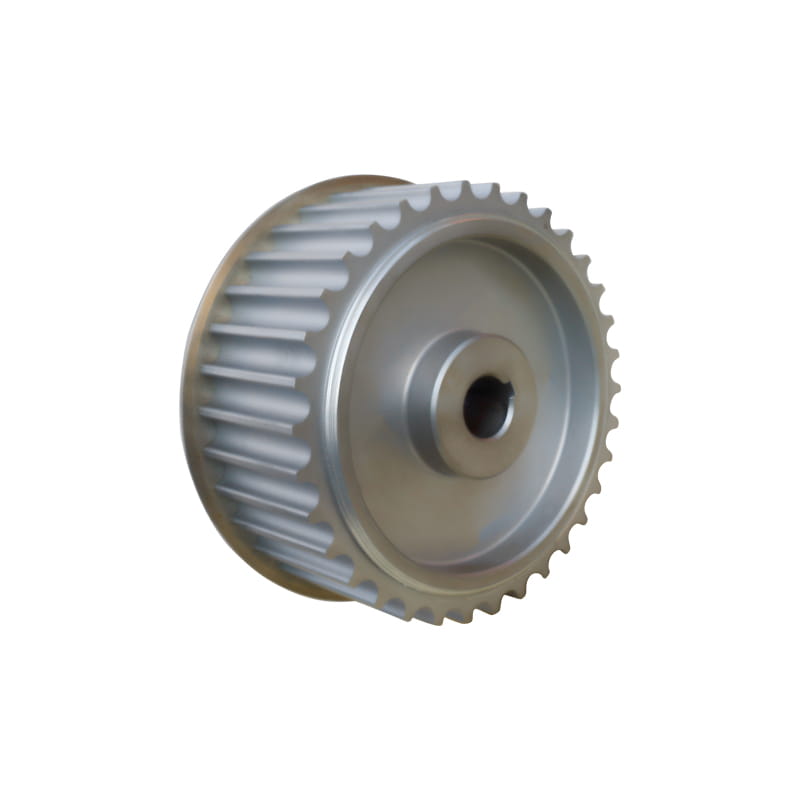
Pryžové synchronní řemeny a žebrované řemeny používané v pohonech pro přenos síly – správně dimenzované, napnuté a vyrovnané – běžně dosahují 3–5 let životnost v průmyslovém prostředí. Primárními způsoby selhání v těchto aplikacích jsou smyk zubů (přetížení), únava kordu (nadměrné napnutí) a opotřebení zadního povrchu (nedostatečný průměr zadního napínacího kola).
Obecná doprava a manipulace s materiálem
V obecně dopravních aplikacích manipulujících s baleným zbožím, lehkým agregátem nebo součástmi mají pogumované dopravní pásy obvykle životnost 2–4 roky se standardní údržbou. Abrazivní zatížení (štěrk, písek, obilí) to zkracuje na 1–2 roky. Použití nárazuvzdorných pryžových směsí v nakládacích zónách je dobře zavedenou praxí pro prodloužení celkové životnosti pásu v těchto nastaveních.
Proč kvalita řemene přímo ovlivňuje životnost
Ne všechny pogumované pásy jsou vyráběny podle stejného standardu. Mezi klíčové rozdíly kvality, které přímo ovlivňují životnost, patří:
- Složení pryžové směsi — Specifická směs přírodního a syntetického kaučuku, zpevňujících činidel a přísad proti stárnutí určuje odolnost vůči teplu, ozónu a oděru.
- Kvalita a rozložení tahové šňůry — Vysoce kvalitní, rovnoměrně rozložené tažné kordy (skleněné vlákno, aramid nebo ocel) poskytují konzistentní sdílení zatížení a odolávají únavovému praskání.
- Řízení procesu vulkanizace — Konzistentní vytvrzovací teplota a tlak zajišťují rovnoměrnou tvrdost pryže a přilnavost k základní struktuře. Nedůsledná vulkanizace vytváří slabá místa, která předčasně selhávají.
- Rozměrová přesnost — Řemeny, které splňují přísné rozměrové tolerance pro šířku, tloušťku a rozteč zubů, běží plynuleji, generují méně tepla a déle vydrží u přesných pohonů.
- Kvalita povrchové úpravy — Hladký, stejnoměrný pryžový povrch zajišťuje konzistentní tření a kontakt a snižuje tak horké body, které iniciují praskání povrchu.
Jiangxi Kangqi Industrial Co., Ltd., působící pod značkami SABLES a KML, se specializuje na výzkum, vývoj a výrobu vysoce výkonných pryžových synchronních řemenů a speciálních řemenů potažených pryží. Jako profesionální výrobce pogumovaných pásů a továrna náš sortiment zahrnuje gumové synchronní pásy, oboustranné pásy, potahované podávací pásy, ploché pásy, žebrované pásy, ozubené pásy, dopravní pásy, pásy na separaci ryb, pásy s ořechovou skořápkou, pásy na řezání zeleniny a nekonečné pásy pro vysokorychlostní balicí a tiskařské stroje s odpovídajícími konstrukčními metodami pro maximální použití a výrobu směsí. život v reálných provozních podmínkách.
Často kladené otázky o životnosti pogumovaného pásu
Může pogumovaný pás vydržet déle než 5 let?
Ano. V nenáročných aplikacích s dobře seřízenými pohony, středními rychlostmi a důslednou údržbou mohou vysoce kvalitní řemeny potažené pryží překročit 5 let provozu. Takové podmínky jsou však v náročných průmyslových prostředích spíše výjimkou než pravidlem. Plánování cyklu výměny během 2–4 let je spolehlivější základ pro rozpočtování údržby ve většině průmyslových zařízení.
Opotřebuje se pryžový povlak rychleji než vnitřní struktura?
Ve většině aplikací ano. Pryžový povrch je první linií obrany a používáním se postupně opotřebovává. Vnitřní tahová struktura obvykle selže pouze tehdy, když je pryč pryžová ochrana a kordy jsou vystaveny oděru, nebo když byl řemen vystaven přetížení nebo vážnému vychýlení, které přímo unaví kordy.
Je možné opravit opotřebovaný pogumovaný řemen?
Drobná poškození povrchu na širokých dopravních pásech lze někdy opravit pomocí záplatovacích směsí vytvrzovaných za studena nebo vulkanizací za tepla. U přesných řemenů pro přenos síly – jako jsou synchronní nebo žebrované řemeny – se však oprava obecně nedoporučuje, protože nelze zaručit rozměrovou přesnost po opravě. Výměna je ve většině případů bezpečnější a cenově výhodnější volbou.
Jak teplota ovlivňuje životnost pogumovaného pásu?
Teplota má výrazný urychlující vliv na stárnutí pryže. Obecně platí, že pro každého zvýšení o 10°C nad doporučenou provozní teplotou se rychlost degradace pryže přibližně zdvojnásobí (princip stárnutí Arrhenius). Pás dimenzovaný na 50 000 hodin při 40 °C může dodávat pouze 25 000 hodin při 50 °C. Volba teplotně vhodných pryžových směsí – jako jsou tepelně odolné EPDM nebo CR formulace – tento efekt zmírňuje v prostředí se zvýšenou teplotou.